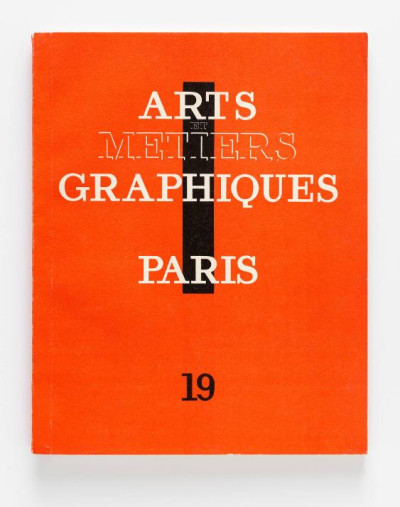
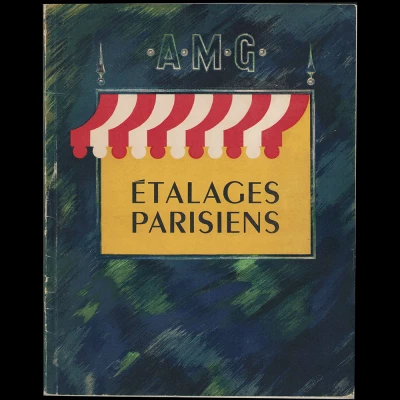
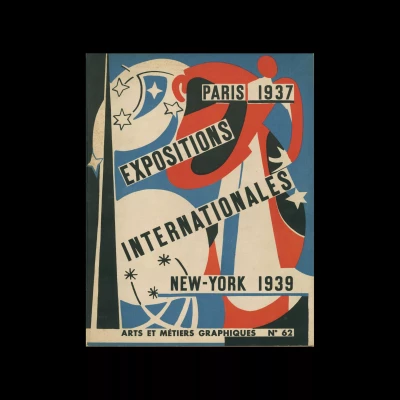
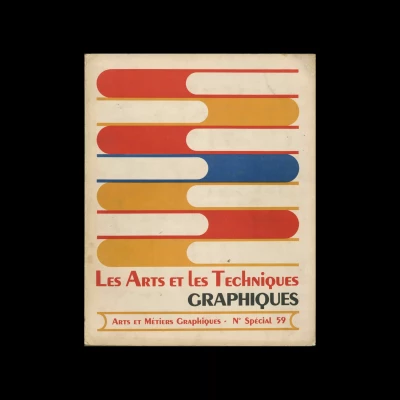
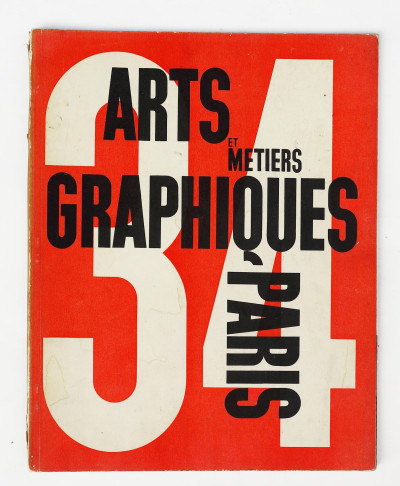
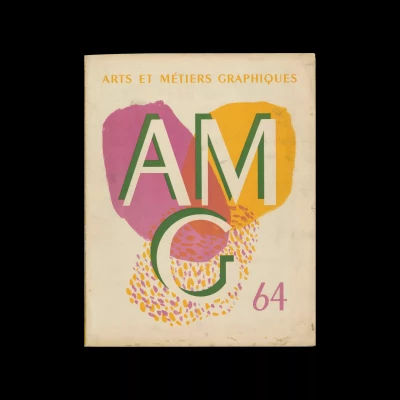
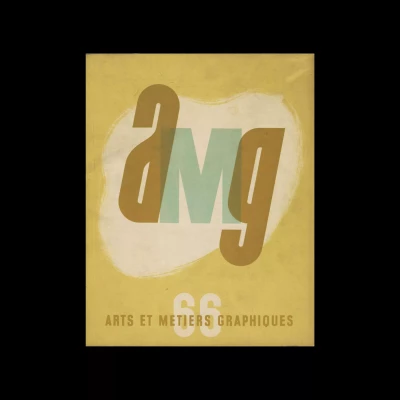
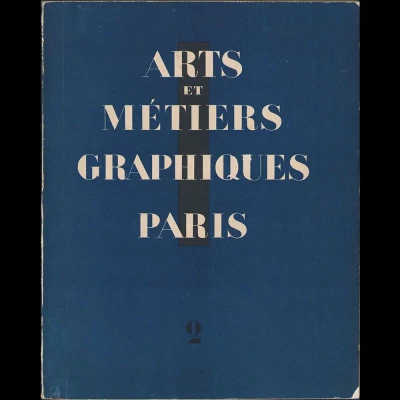
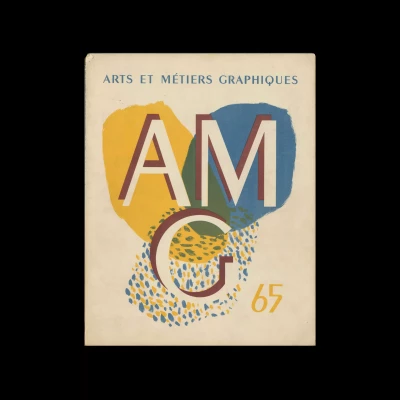
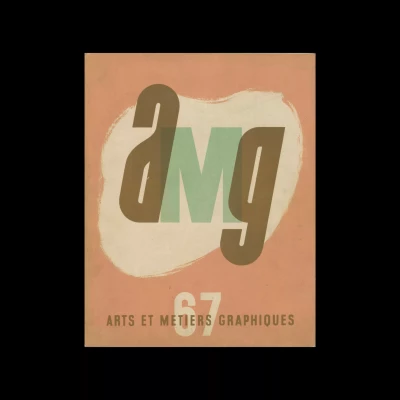
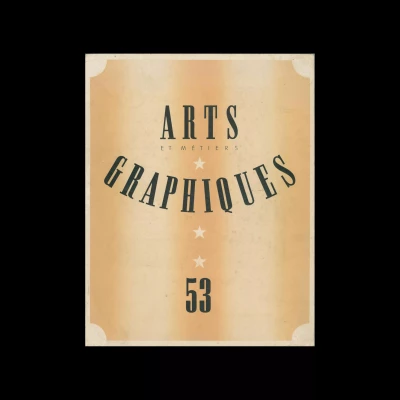
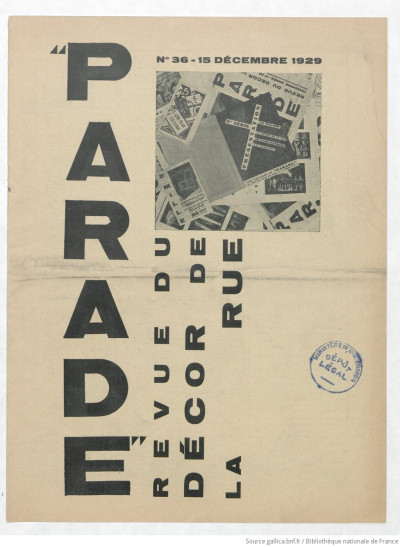
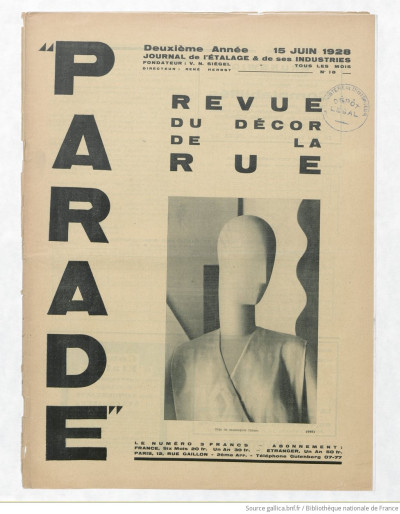
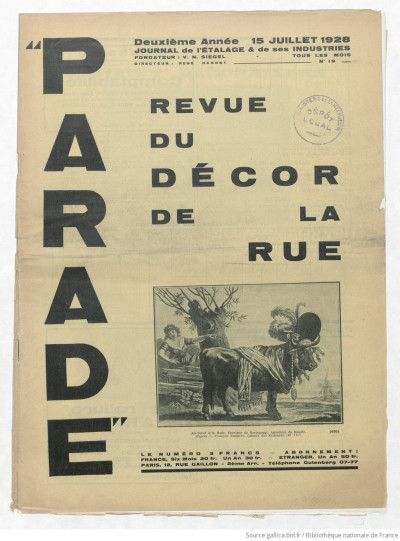
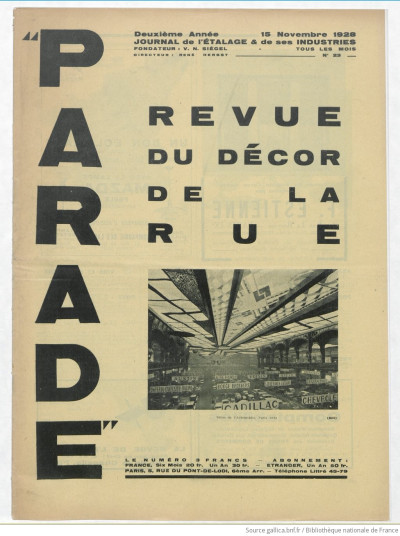
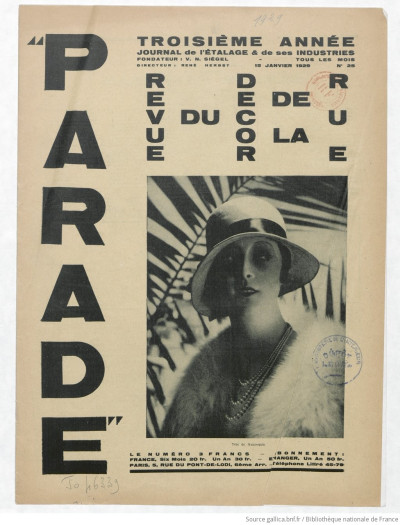
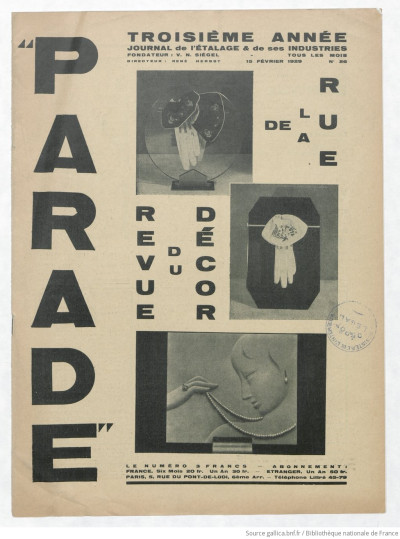
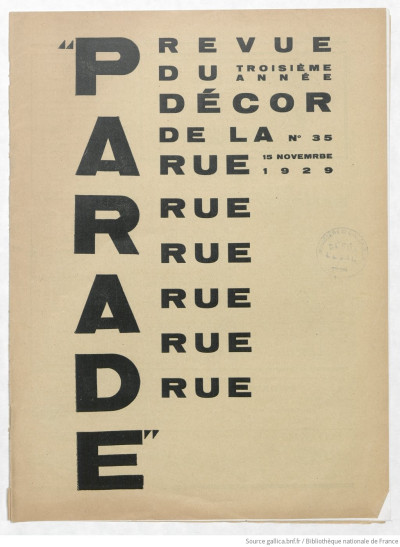
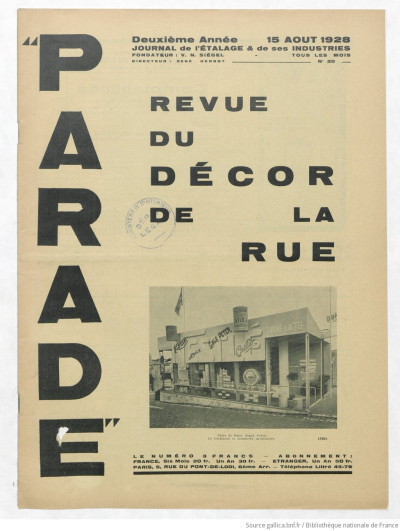
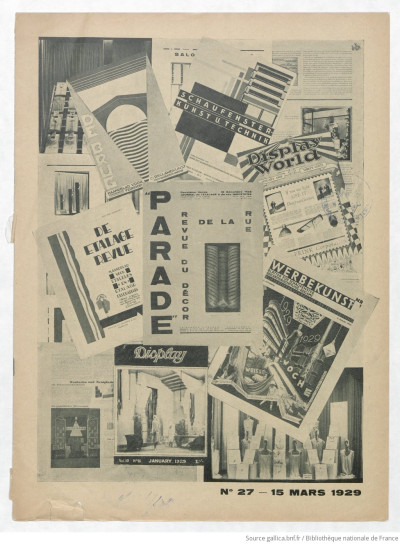
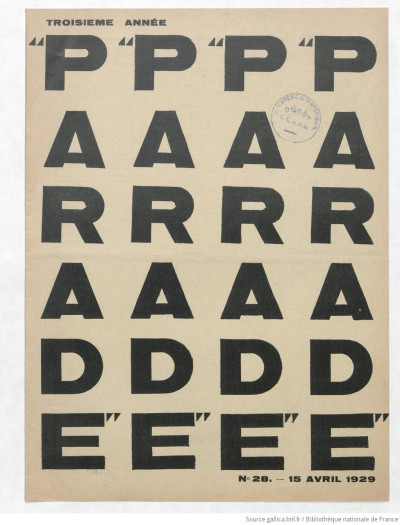
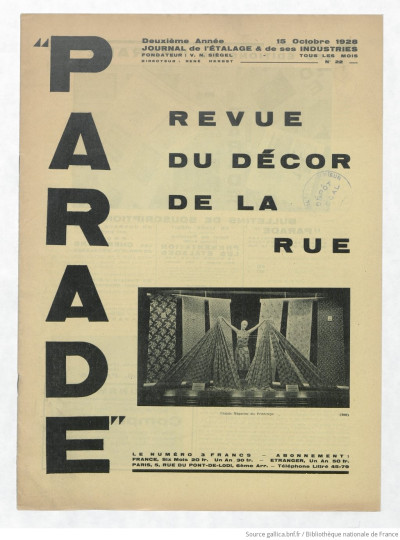
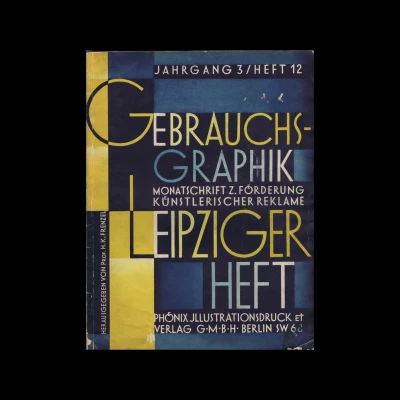
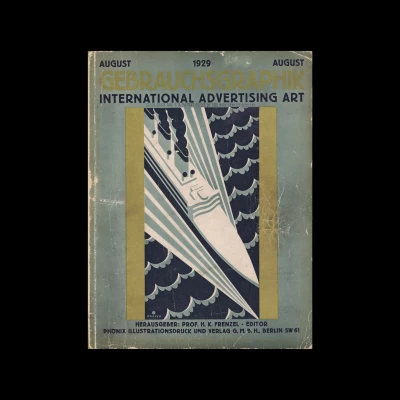
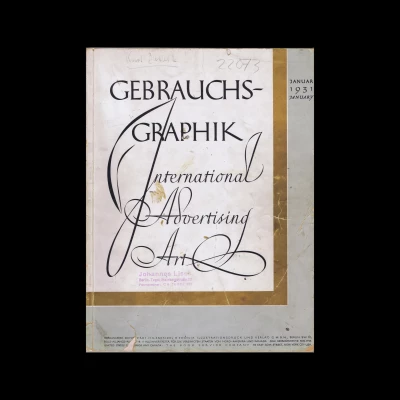
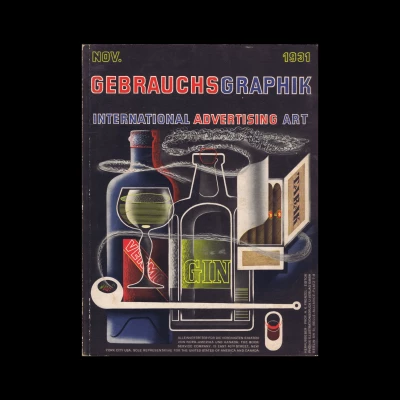
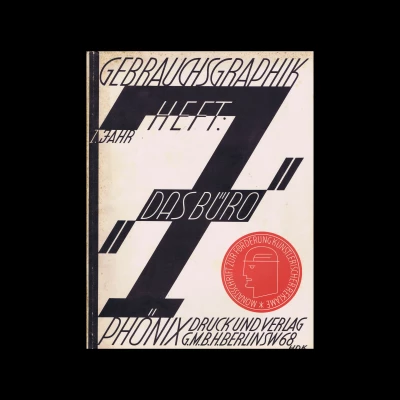
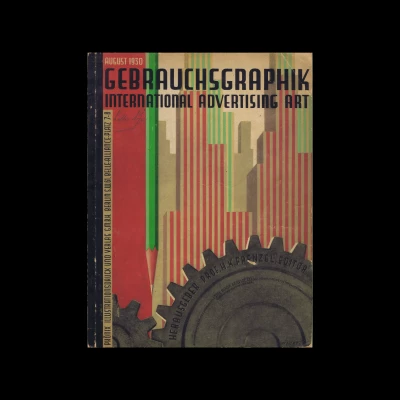
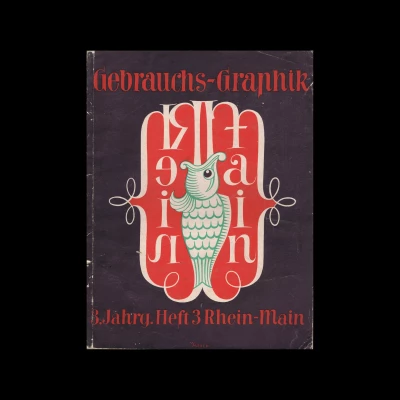
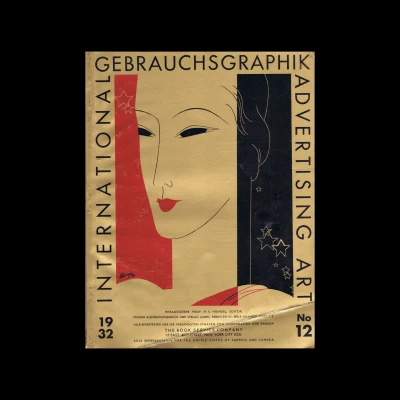
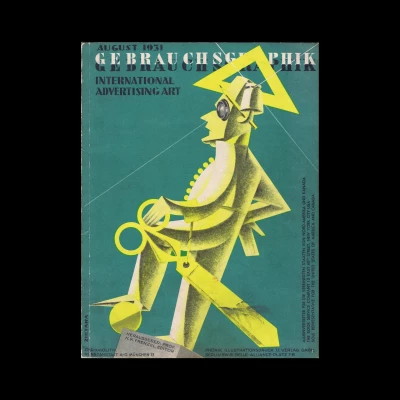
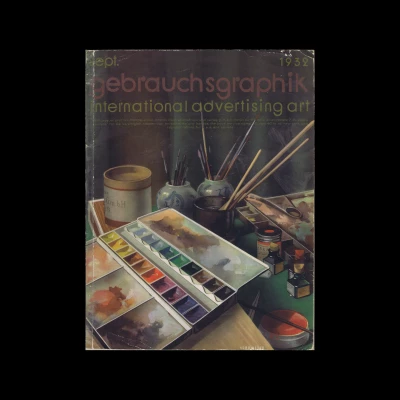
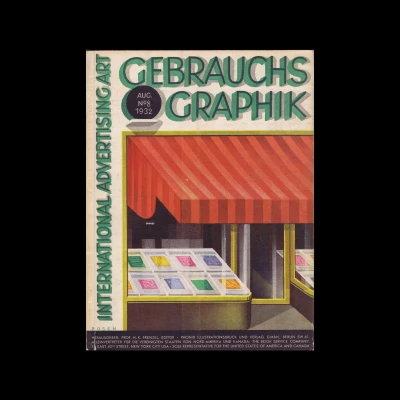
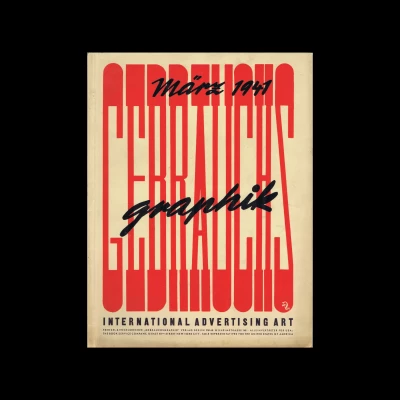
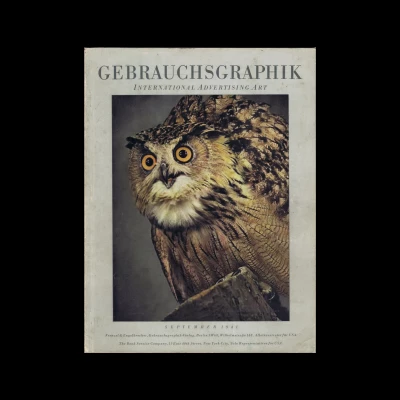
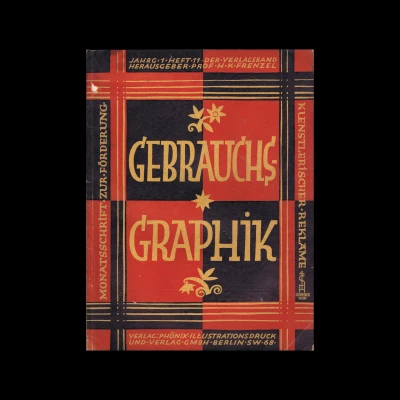
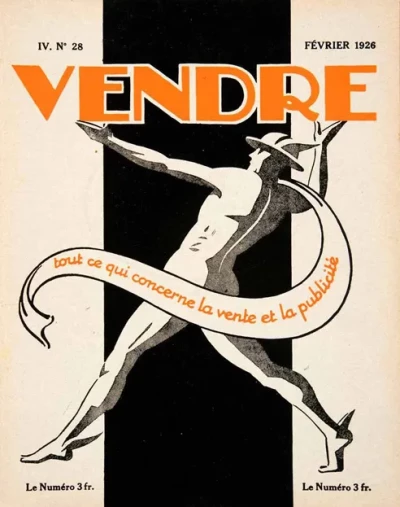
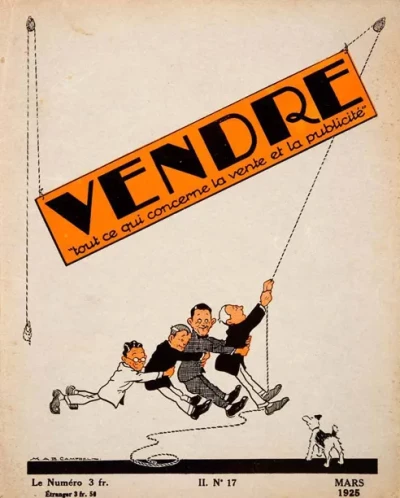
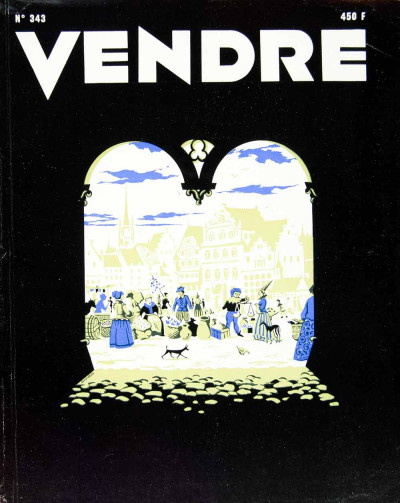
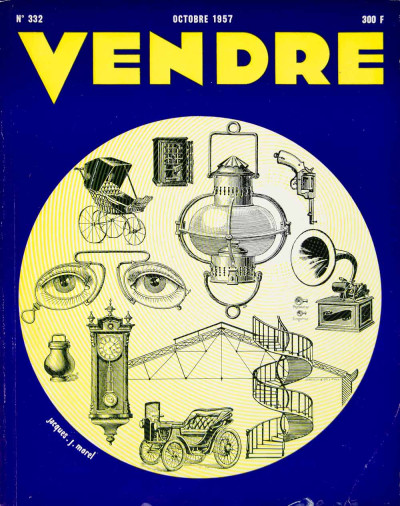
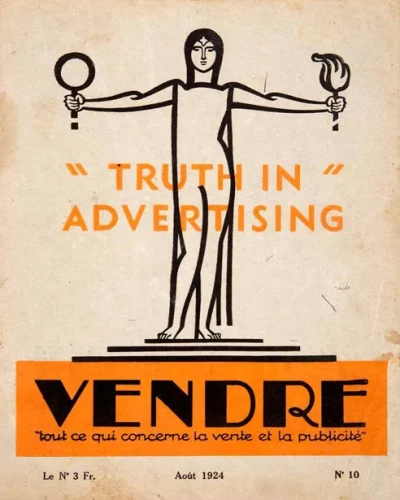
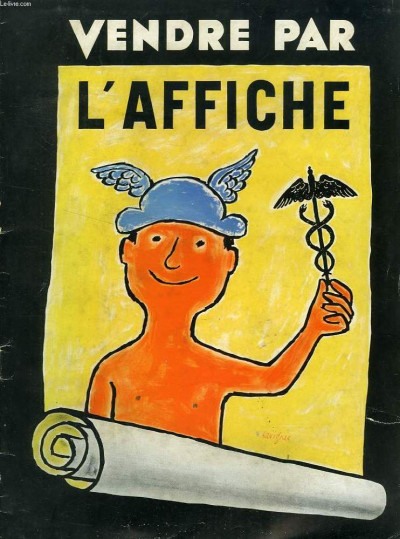
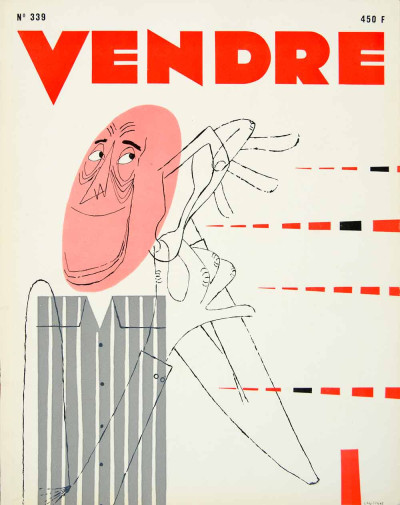
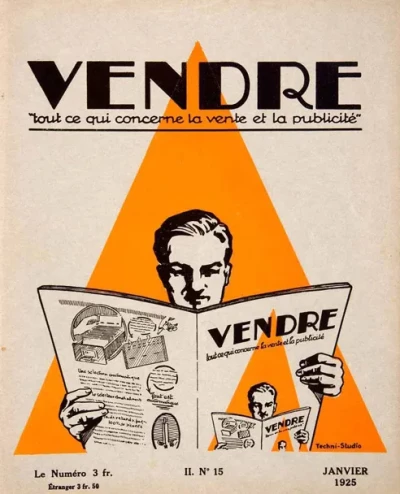
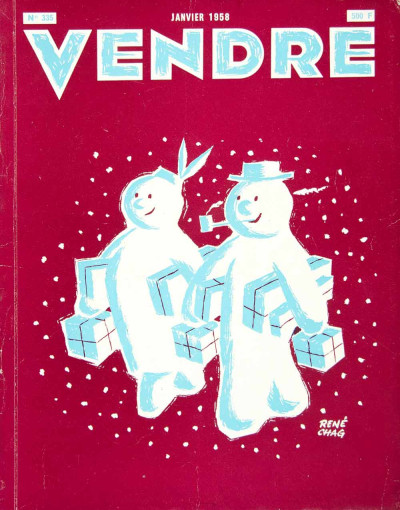
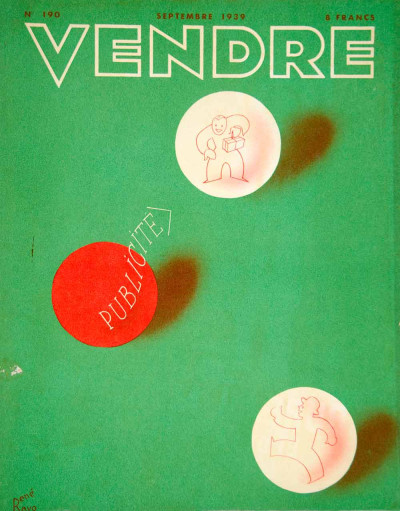
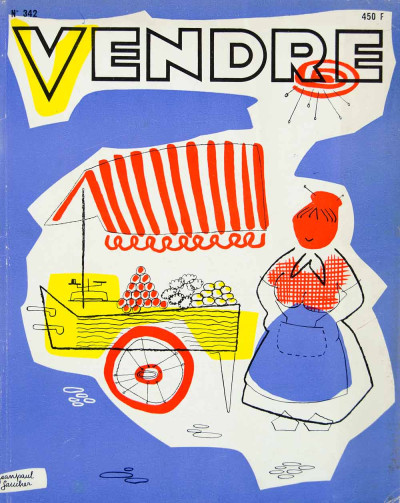
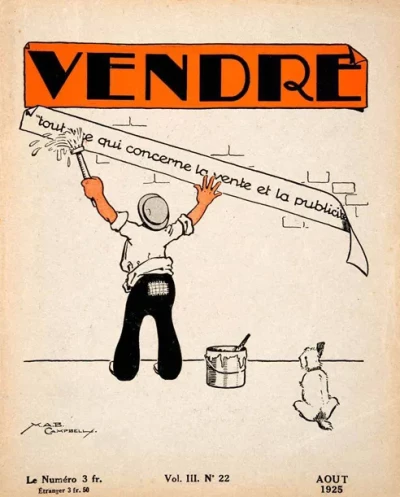
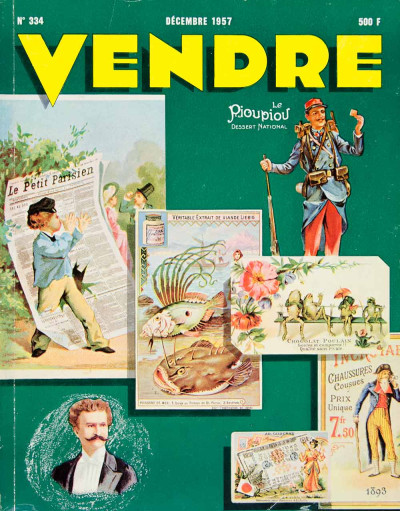
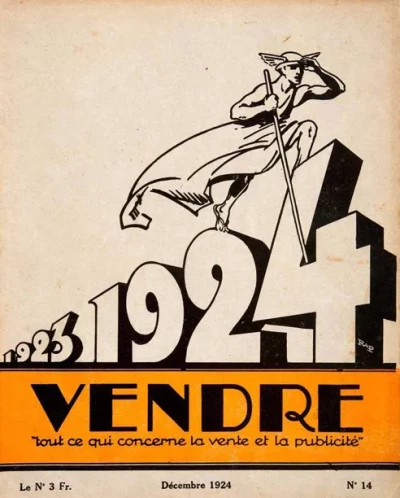
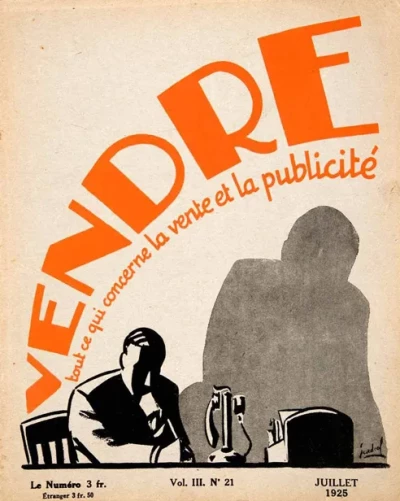
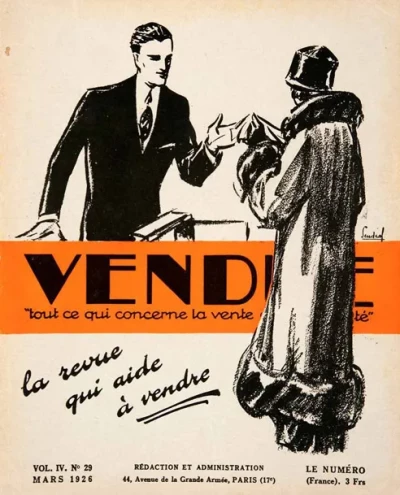
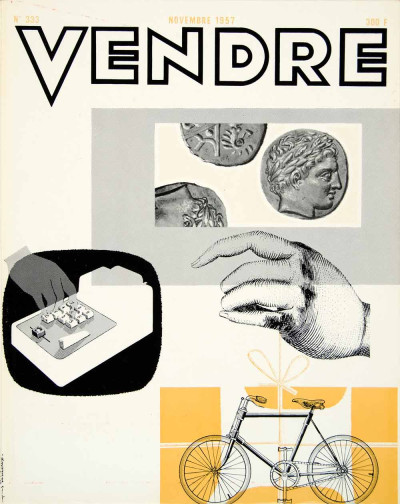
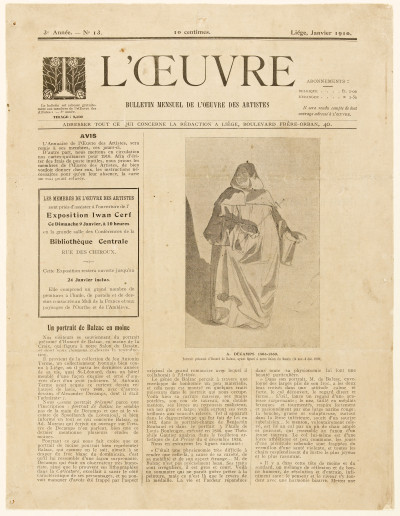
In the bibliography of Die neue Typographie, magazines occupy a prominent place: they are one of the vehicles for transmission across borders and language barriers. Beginning in the 1920s, the professional press accompanied the industrial development of graphic design. It echoed new reproduction and printing processes as well as the forms and ideas that accompanied this evolution.
Specialized magazines offer a threefold interest: through their own material and graphic design, the editorial content of their articles and illustrations, and the advertisements they include, which are themselves doubly instructive.
The selection of the main case studies for this section was made to cover the fields of book trades, advertising, signage, and exhibition design; to provide a representative sample of different professional and intellectual positions; and to compare, from a typographic perspective, how Germany, German-speaking Switzerland, French-speaking Switzerland, and France viewed one another and took positions—between awareness of an avant-garde based on international values, critical assessment of technical progress, defense of national specificities, and aesthetic proselytism.